Sustainable Weight Loss for Women
A realistic, kind approach to weight management for women, built on balanced Indian meals, sensible portions, movement, sleep and consistency rather than quick fixes.
Reviewed by Dt. Riya Deshmukh, Clinical Dietitian
Quick answer
Sustainable weight loss for women means building habits you can keep for years, not weeks. It focuses on balanced meals with protein, fibre and whole grains, sensible portions, regular movement, good sleep, stress care and patience. Progress is usually gradual and varies from person to person. A qualified dietitian can help personalise a plan around your health, routine and food preferences.
If you have tried diet after diet and felt tired, hungry and frustrated, you are not alone. Many women are juggling work, family, hormones and busy schedules, and rigid plans rarely fit that reality. Sustainable weight management is about small, steady changes that feel doable, respect your body and fit into everyday Indian meals.
What “Sustainable” Really Means
A sustainable approach is one you could see yourself following on a normal weekday, at a family function and on a stressful week. It does not require cutting out entire food groups or eating separately from your family.
Weight is influenced by many factors, including genetics, hormones, sleep, stress, medication and life stage. That is why progress looks different for every woman, and why kindness towards yourself matters as much as the plan.
Build a Balanced Indian Plate
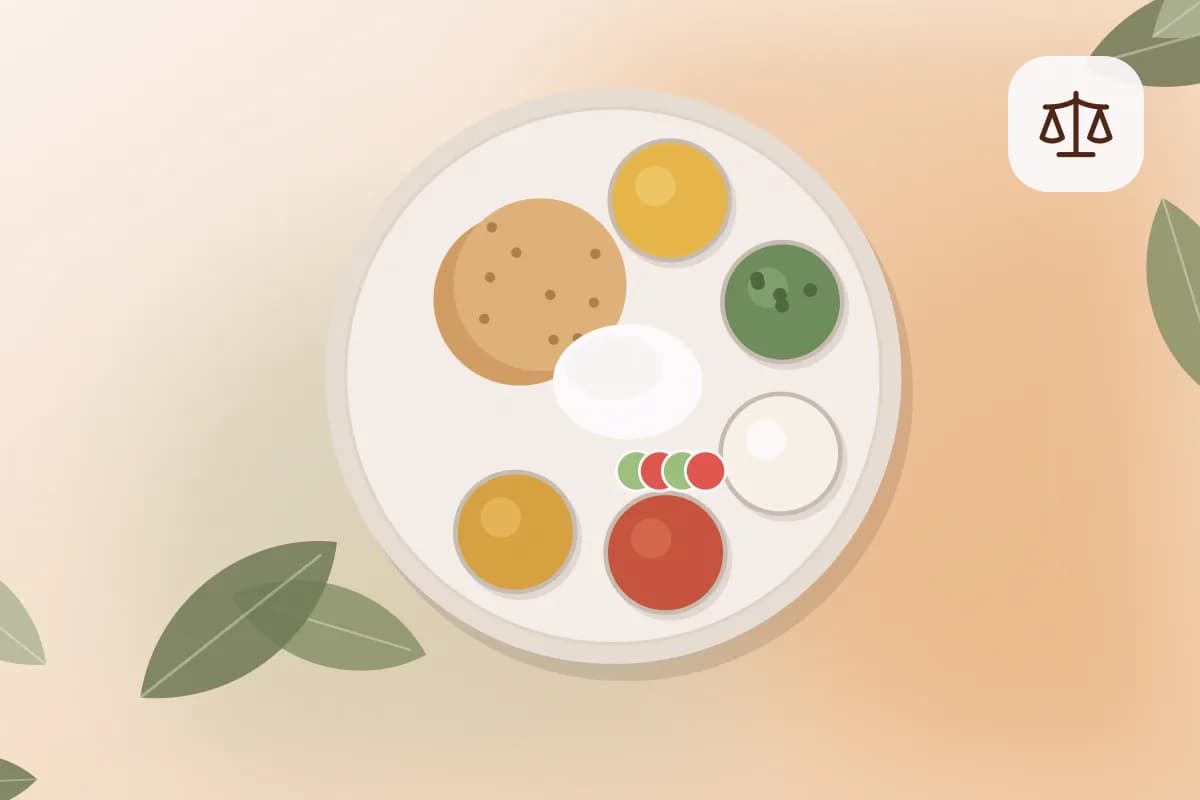
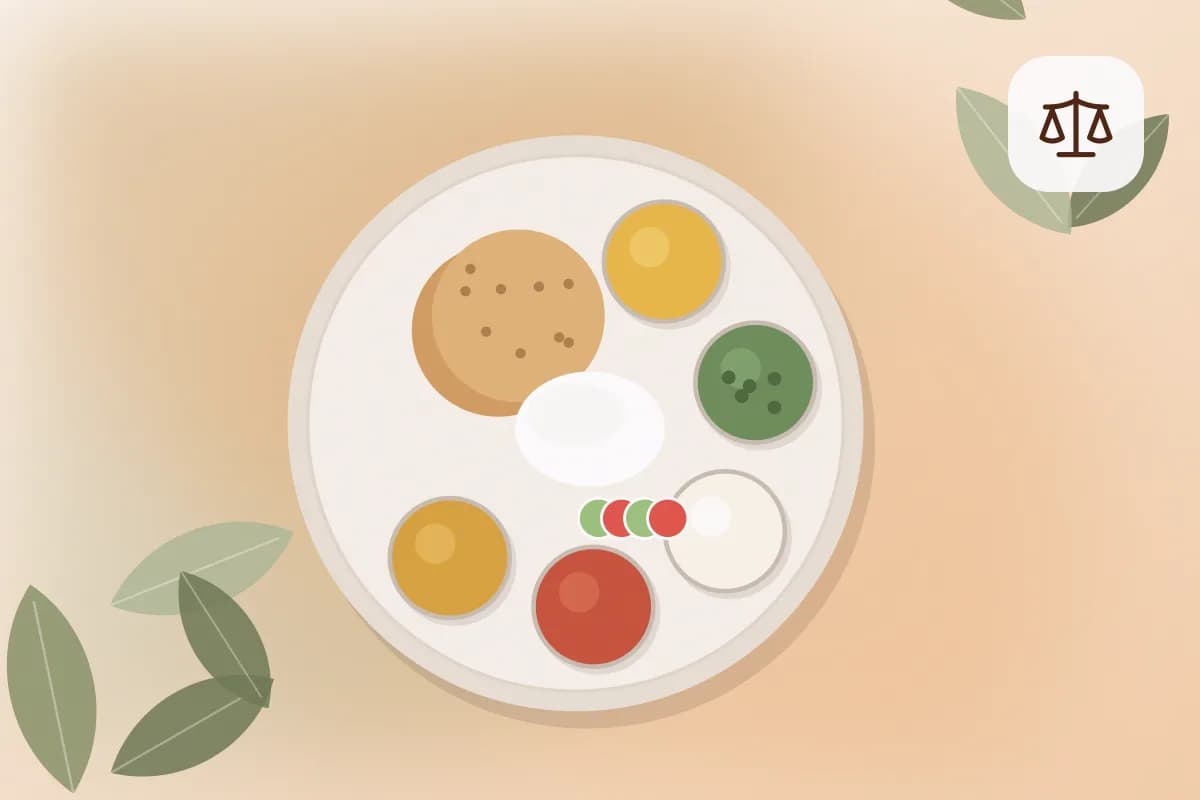
You do not need special “diet food”. A familiar thali can support your goals with a few adjustments.
- Fill about half the plate with vegetables, salad or sabzi
- Include a protein source: dal, chana, rajma, paneer, curd, eggs, fish or chicken
- Choose whole grains like millets, brown rice, whole wheat or multigrain roti in a portion that suits you
- Use oil and ghee in measured amounts rather than cutting them out completely
- Explore more options in our list of protein-rich Indian foods for weight management
Portions, Timing and Mindful Eating
Portion awareness is often more helpful than strict calorie counting. Using a smaller plate, serving food once instead of eating straight from the kadhai and eating slowly can naturally help you recognise fullness.
Regular meal timings may help reduce extreme hunger later in the day. Try not to skip breakfast if it leaves you overeating in the evening, and keep a few nourishing snacks ready.
Movement, Sleep and Stress
Nutrition is only one part of the picture. Regular physical activity supports heart health, mood, strength and energy, whatever your weight.
Move in Ways You Enjoy
Brisk walking, yoga, dancing, cycling and strength training with body weight or light weights all count. Start where you are and build gradually.
Protect Sleep and Manage Stress
Short or disturbed sleep and ongoing stress can affect appetite and cravings. A consistent bedtime, less screen time at night and a few minutes of relaxation each day can support your efforts.
Tracking Progress Without Obsession
The scale is only one measure. Energy levels, sleep quality, digestion, strength, how clothes fit and blood test results discussed with your doctor are all meaningful signs of progress.
If you have PCOS, thyroid concerns or other health conditions, your approach may need tailoring. Our weight loss program offers personalised guidance from qualified dietitians.
Key takeaways
- Sustainable weight management focuses on habits you can keep long term.
- A balanced Indian thali with protein, vegetables and whole grains works well.
- Portions, regular meals, movement, sleep and stress care all matter.
- Progress is gradual and individual; measure more than the scale.
Frequently asked questions
Sources & references
- Obesity and overweight fact sheet — World Health Organization
- Physical activity fact sheet — World Health Organization
- Dietary Guidelines for Indians — ICMR–National Institute of Nutrition