Indian Diet Tips for PCOS
Simple, realistic Indian diet tips for PCOS, from smarter roti swaps to balanced dal-chawal, festive meals and eating out, all without giving up home food.
Reviewed by Dt. Ananya Sharma, Clinical Nutritionist
Quick answer
Indian home food can be very supportive for PCOS when meals are balanced. Try adding millets like jowar, bajra or ragi, pairing rice or roti with dal and vegetables, including curd or paneer for protein, and swapping fried or sugary snacks for roasted chana, sprouts or fruit. Regular meal timing and mindful portions can make these small changes easier to maintain.
You do not need imported superfoods or a completely new way of cooking to eat well with PCOS. Indian kitchens already have many of the ingredients that can support a balanced routine. The key is how you combine them. These tips focus on small, familiar changes that fit into family meals.
Make Smarter Grain Swaps
Grains are central to Indian meals, and you do not need to remove them. Simply rotating in more fibre-rich options can help.
- Mix jowar, bajra or ragi flour into your regular atta
- Try ragi dosa, jowar bhakri or bajra khichdi a few times a week
- Use broken wheat dalia or foxtail millet in place of some white rice
- Keep portions moderate and fill the rest of the plate with dal and sabzi
Balance Your Dal-Chawal and Roti-Sabzi
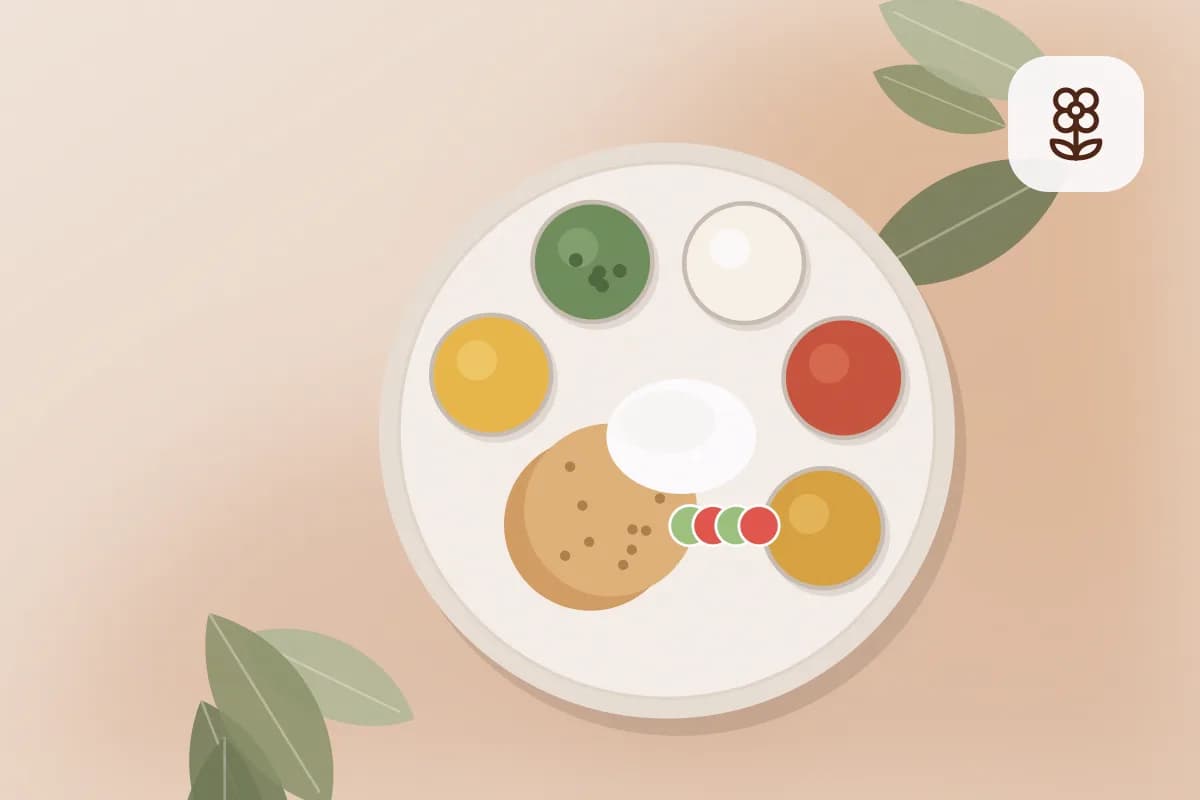
A classic dal-chawal meal can be balanced by adjusting proportions. Add a larger bowl of dal, a vegetable sabzi, a salad and a bowl of curd, and slightly reduce the rice portion.
For roti-sabzi meals, add a protein such as paneer, chana, egg curry or dal so the meal is not mostly carbohydrates.
Cooking methods matter too. Tadka with a teaspoon of oil or ghee, steaming, roasting and pressure-cooking keep meals flavourful without making them heavy. Save deep-fried pooris and pakoras for occasional treats rather than daily meals.
Rethink Tea-Time Snacks
Evening chai often comes with biscuits, namkeen or fried snacks. These are fine occasionally, but daily habits add up.
- Roasted chana or makhana with spices
- Sprouts chaat with onion, tomato and lemon
- A fruit with a handful of peanuts
- Chai with less sugar, gradually reduced over a few weeks
Navigating Festivals, Weddings and Eating Out
Food is part of celebration, and enjoying it is completely okay. A few simple habits can help you feel comfortable without missing out.
At Celebrations
Start with salad, dal or a protein dish before moving to rich items. Enjoy a small portion of your favourite sweet slowly rather than several sweets quickly.
At Restaurants
Choose tandoori or grilled items, dal, and vegetable dishes more often. Share rich gravies or desserts, and ask for rotis instead of naan when you can.
Build Habits That Last
Consistency matters more than perfection. Pick two or three changes to focus on for a few weeks before adding more.
If you would like structured support, our dietitians can help you plan around your family’s meals. You can book a consultation or learn about the PCOS wellness program.
Key takeaways
- Indian home food can be a strong foundation for a PCOS-friendly routine.
- Rotate in millets like jowar, bajra and ragi rather than removing grains entirely.
- Add protein to roti-sabzi and dal-chawal meals for better balance.
- Enjoy celebrations mindfully without guilt.
Frequently asked questions
Sources & references
- Dietary Guidelines for Indians — ICMR–National Institute of Nutrition
- Polycystic ovary syndrome fact sheet — World Health Organization