What to Eat When You Have PCOS
A practical, Indian-food-friendly guide to building balanced PCOS meals with protein, fibre, millets and vegetables, without strict rules or guilt.

Reviewed by Dt. Farah Khan, Women's Health Nutritionist
Quick answer
With PCOS, it can help to focus on balanced meals rather than strict restrictions. Aim to include a protein source such as dal, paneer, curd, eggs or chana, plenty of vegetables, fibre-rich whole grains or millets, and some healthy fats at each meal. Eating at regular times and choosing whole foods more often may help support steady energy and overall wellbeing.
When you are told you have PCOS, food advice can suddenly come from everywhere: cut rice, avoid dairy, stop fruit, skip dinner. It can feel overwhelming and restrictive. The good news is that a supportive PCOS plate usually looks a lot like a thoughtfully balanced Indian meal. This guide focuses on what to add, not just what to avoid.
Start With a Balanced Plate
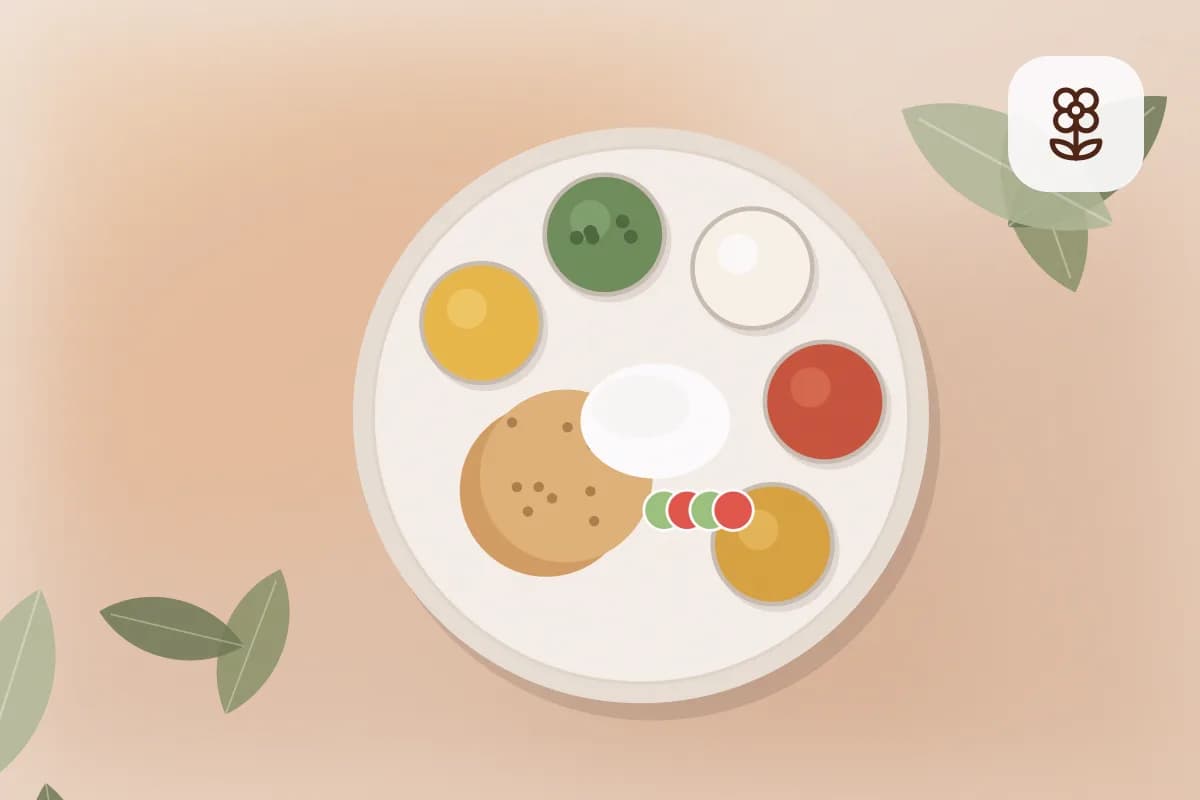
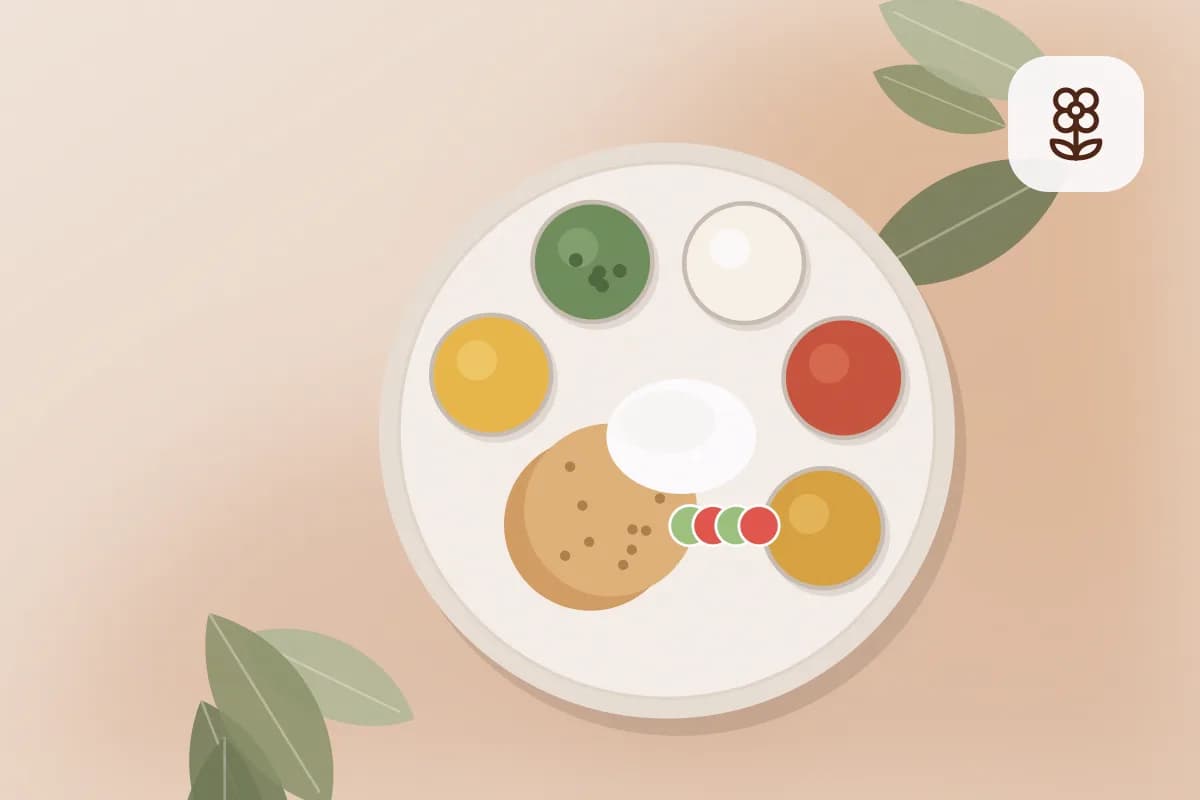
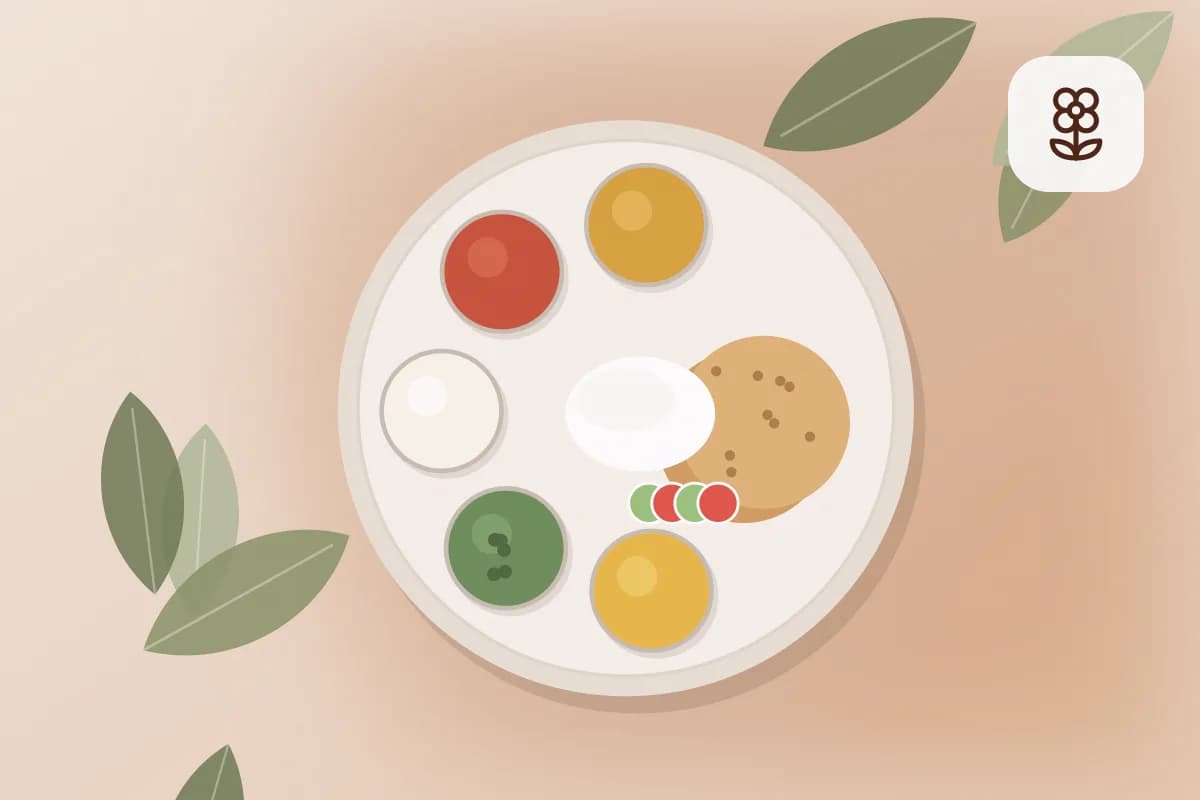
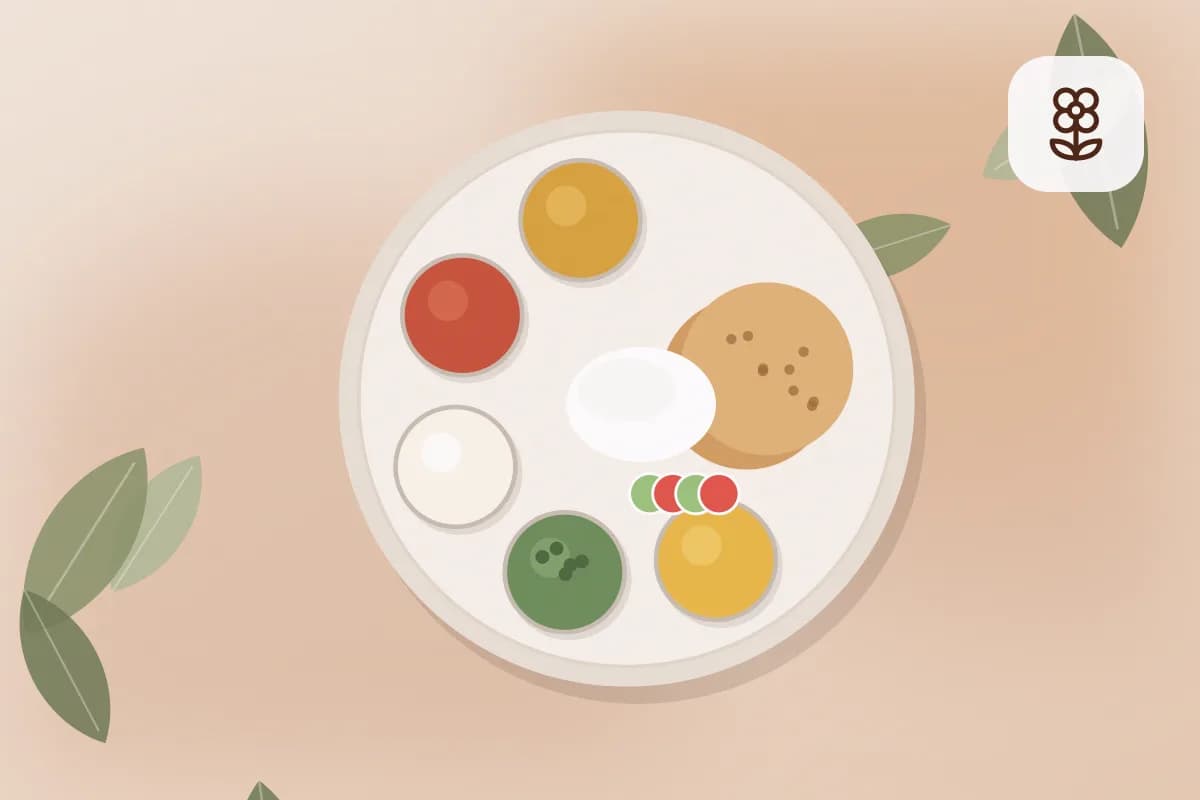
A simple way to plan meals is the plate method. It is flexible, works with home cooking and does not need calorie counting.
- Half the plate: vegetables such as bhindi, lauki, palak, beans, cabbage or salad
- A quarter: protein such as dal, rajma, chana, paneer, tofu, eggs, fish or chicken
- A quarter: whole grains or millets such as jowar, bajra, ragi, brown rice or whole wheat roti
- A side of curd, buttermilk or a small portion of healthy fat like nuts or seeds
Foods That Can Be Part of a PCOS-Friendly Routine
No single food fixes PCOS, but some foods make it easier to build meals that feel filling and steady.
Protein at Every Meal
Protein may help you feel full for longer and can make meals more satisfying. Try besan chilla, moong dal cheela, paneer bhurji, sprouts chaat, egg bhurji or a bowl of rajma with salad.
Fibre-Rich Grains and Millets
Millets and whole grains digest more slowly than refined flours. Swap some maida-based foods for jowar or bajra roti, ragi dosa, dalia or vegetable upma made with broken wheat.
Healthy Fats in Sensible Portions
Nuts, seeds like flax and pumpkin, groundnuts and a little ghee or cold-pressed oil can be part of your meals. Fat adds flavour and helps you absorb certain vitamins.
Foods to Enjoy More Mindfully
You do not need to fear any food. Some foods are simply easier to enjoy occasionally rather than daily, especially when they replace a balanced meal.
- Sugary drinks, packaged juices and sweetened chai in large amounts
- Refined snacks like biscuits, namkeen and bakery items
- Large portions of white rice or maida without protein or vegetables alongside
- Deep-fried foods eaten very frequently
Meal Timing and Everyday Habits
Long gaps between meals can lead to strong cravings later in the day. Many women find that eating at fairly regular times helps them feel more in control.
Pair meals with gentle movement, such as a 10–15 minute walk after lunch or dinner, and try to protect your sleep where you can. For region-specific ideas, read our Indian diet tips for PCOS.
A Sample Day of PCOS-Friendly Eating
This is only an example. Your needs may differ based on your routine, preferences and health.
- Breakfast: vegetable besan chilla with mint chutney and a bowl of curd
- Mid-morning: a guava or apple with a few almonds
- Lunch: jowar roti, palak dal, mixed vegetable sabzi and salad
- Evening: roasted chana or sprouts chaat with lemon
- Dinner: grilled fish or paneer tikka with sautéed vegetables and a small portion of brown rice
Key takeaways
- Focus on adding protein, fibre and vegetables rather than strict restriction.
- Millets like jowar, bajra and ragi can be easy swaps in Indian meals.
- Regular meal timing may help reduce intense cravings.
- No food is completely off-limits; balance and frequency matter more.
- Personalised guidance can help you find what works for your body.
Frequently asked questions
Sources & references
- Polycystic ovary syndrome fact sheet — World Health Organization
- Healthy diet fact sheet — World Health Organization
- Dietary Guidelines for Indians — ICMR–National Institute of Nutrition