Thyroid and Nutrition: What Women Should Know
How nutrition can support women living with thyroid conditions, which nutrients matter, common food myths and why diet complements medical care rather than replacing it.
Reviewed by Dt. Farah Khan, Women's Health Nutritionist
Quick answer
Nutrition can support overall wellbeing in women with thyroid conditions, but it complements medical care rather than replacing it. A balanced diet with adequate iodine from iodised salt, plus foods providing selenium, zinc, iron and protein, is helpful. Take thyroid medication exactly as advised by your treating physician, attend regular check-ups and avoid extreme diets or unverified “thyroid cure” claims.
Thyroid conditions are common among women, and after a diagnosis many women wonder what they should or should not eat. Advice online can be confusing and sometimes contradictory. This article explains how nutrition fits into thyroid care, which nutrients matter and how to approach everyday Indian meals with confidence.
Understanding the Thyroid in Simple Terms
The thyroid is a small gland in the neck that produces hormones influencing energy, metabolism, temperature regulation and many other body functions.
When it produces too little hormone (hypothyroidism) or too much (hyperthyroidism), you may notice changes in energy, weight, mood, skin, hair or periods. These symptoms can have many causes, so it is important to see a doctor for proper evaluation rather than self-diagnosing.
Nutrition Complements Medical Care
Food cannot replace thyroid treatment. If you have been prescribed medication, take it as advised by your treating physician and do not stop or change it on your own.
Your doctor may give specific guidance on when to take medication in relation to meals, tea, coffee or certain foods. Follow this advice, and mention any supplements you use at your check-ups.
Nutrients That Matter for Thyroid Health
A varied diet usually provides these nutrients. Supplements should only be taken on medical advice.
- Iodine: iodised salt used in normal cooking amounts, dairy and seafood
- Selenium: eggs, fish, sunflower seeds and whole grains
- Zinc: pulses, nuts, seeds, dairy and whole grains
- Iron: green leafy vegetables, legumes, jaggery and meat; see iron-rich foods for women
- Protein: dals, paneer, curd, eggs, fish and chicken at each meal
Common Food Myths
Some beliefs can lead women to cut out nourishing foods unnecessarily.
Do I Need to Avoid Cabbage and Cauliflower?
Cruciferous vegetables contain natural compounds called goitrogens, but cooking reduces them, and normal portions as part of a varied diet are generally considered fine for most people. Discuss any specific concerns with your doctor.
What About Soy and Millets?
Soy and some millets are sometimes discussed in relation to thyroid health. Rather than eliminating them, many experts suggest moderation and variety. Your doctor can advise if your situation needs specific changes.
Building a Thyroid-Friendly Indian Plate
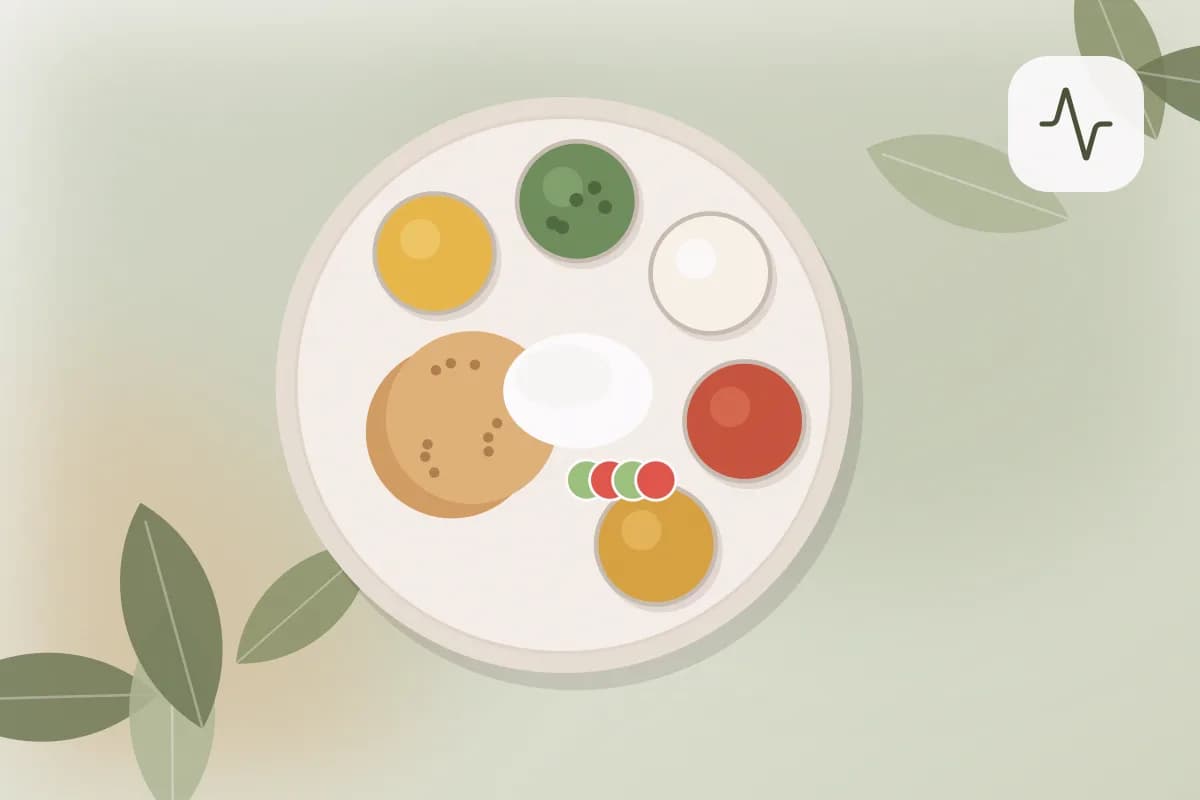
A balanced plate with vegetables, a protein source, whole grains and a small amount of healthy fat supports overall wellbeing. Regular meals, physical activity, good sleep and stress management are equally important.
For example, a lunch of jowar or wheat roti, dal, a cooked vegetable sabzi, a bowl of curd and a small salad covers many nutrients at once. Keeping a simple food and symptom diary can also help you share useful information with your doctor or dietitian.
If you are managing weight alongside hypothyroidism, read our guide to hypothyroidism and weight management, or explore our thyroid wellness program for personalised support.
Key takeaways
- Nutrition supports wellbeing but does not replace thyroid treatment.
- Take thyroid medication as advised by your treating physician.
- Iodine, selenium, zinc, iron and protein are important nutrients.
- Avoid cutting out whole food groups based on myths; aim for variety.
Frequently asked questions
Sources & references
- Dietary Guidelines for Indians — ICMR–National Institute of Nutrition
- Healthy diet fact sheet — World Health Organization