Weight
Unexplained Weight Gain in Women: Possible Causes and When to See a Doctor
Quick answer
Unexplained weight gain in women can be linked to an underactive thyroid, PCOS, certain medicines, poor sleep, stress, menopause or fluid retention. Small shifts in eating and activity can also add up without being noticed. If you gain weight quickly or with other symptoms, see a doctor to find the cause.
Last reviewed NariCareLife editorial team · 5 sources
30 min voice call + free 1-week diet plan
What is Unexplained weight gain?
Weight naturally goes up and down by small amounts from day to day, and changes gradually across life. Weight gain is called unexplained or unintentional when it happens without an obvious change in what you eat or how active you are.
In women, several health conditions and life stages can influence weight, including thyroid problems, PCOS, pregnancy, the months after childbirth and menopause. Some medicines, poor sleep and ongoing stress can also contribute.
Sometimes weight gain is actually fluid build-up rather than fat, which can signal a heart, kidney or liver problem. Because the causes vary so much, lasting or rapid weight gain is worth discussing with a doctor rather than simply cutting food.
Common symptoms of Unexplained weight gain
Steady weight gain without eating more
The scale keeps rising over weeks or months even though your meals and activity seem the same.
Weight gathering around the waist
Clothes feel tighter at the waist, which can be linked to insulin resistance, PCOS or changes around menopause.
Tiredness and feeling cold
Weight gain with fatigue, feeling cold, dry skin or constipation may point to an underactive thyroid.
Irregular periods, acne or extra hair
These alongside weight gain can be signs of PCOS or another hormonal cause.
Puffiness or swelling
Swollen ankles, legs, face or tummy, or rings feeling tight, may mean fluid retention rather than fat.
Changes in appetite or cravings
Feeling hungrier, especially with poor sleep, stress or low mood, can gradually increase how much you eat.
Weight gain after starting a new medicine
Some medicines can affect appetite, fluid or metabolism. Never stop a medicine on your own; talk to your doctor.
What can cause Unexplained weight gain?
- An underactive thyroid (hypothyroidism) slows metabolism and can lead to weight gain, tiredness and feeling cold.
- PCOS and insulin resistance can make weight harder to manage, especially around the waist.
- Some medicines, such as steroids, certain antidepressants, some diabetes medicines and some anti-seizure or antipsychotic medicines, may cause weight gain in some people.
- Poor or short sleep and long-term stress can affect appetite hormones and eating patterns.
- Life stages such as pregnancy, the months after childbirth and perimenopause or menopause often bring weight changes.
- Fluid retention from heart, kidney or liver problems, and rare conditions such as Cushing's syndrome, can also cause weight gain.
How is Unexplained weight gain diagnosed?
A doctor will ask how much weight you have gained and over what time, and about your eating, activity, sleep, stress, periods, medicines and other symptoms. They will examine you, check your weight, waist and blood pressure, and look for swelling. Depending on your history, they may suggest blood tests such as thyroid function, blood sugar, cholesterol, and kidney and liver function, and sometimes tests for PCOS or other hormonal conditions. Bring a list of your current medicines to the appointment.
When to see a doctor
See a doctor if you are gaining weight without a clear reason, if the gain is rapid, or if it comes with other symptoms such as tiredness, feeling cold, irregular periods, extra hair growth, swelling, low mood or poor sleep. Also speak to your doctor if you think a medicine may be affecting your weight, but do not stop or change any medicine without their advice. Getting the cause checked first helps you choose a safe, suitable plan.
Get medical help promptly if you notice:
- Sudden weight gain over a few days with swelling of the legs, ankles or tummy.
- Weight gain with breathlessness, chest pain or needing to sleep propped up (seek urgent care).
- Swelling in pregnancy together with severe headache, vision changes or pain under the ribs (seek urgent care).
- Weight gain with a round face, purple stretch marks, easy bruising or muscle weakness.
- Weight gain with passing much less urine than usual, or yellowing of the skin or eyes.
In an emergency, call 112 or go to the nearest hospital.
How nutrition and lifestyle may help
Food does not cure or treat Unexplained weight gain, but everyday habits can support your overall wellbeing alongside the care your doctor recommends.
Look at your plate, not just the scale
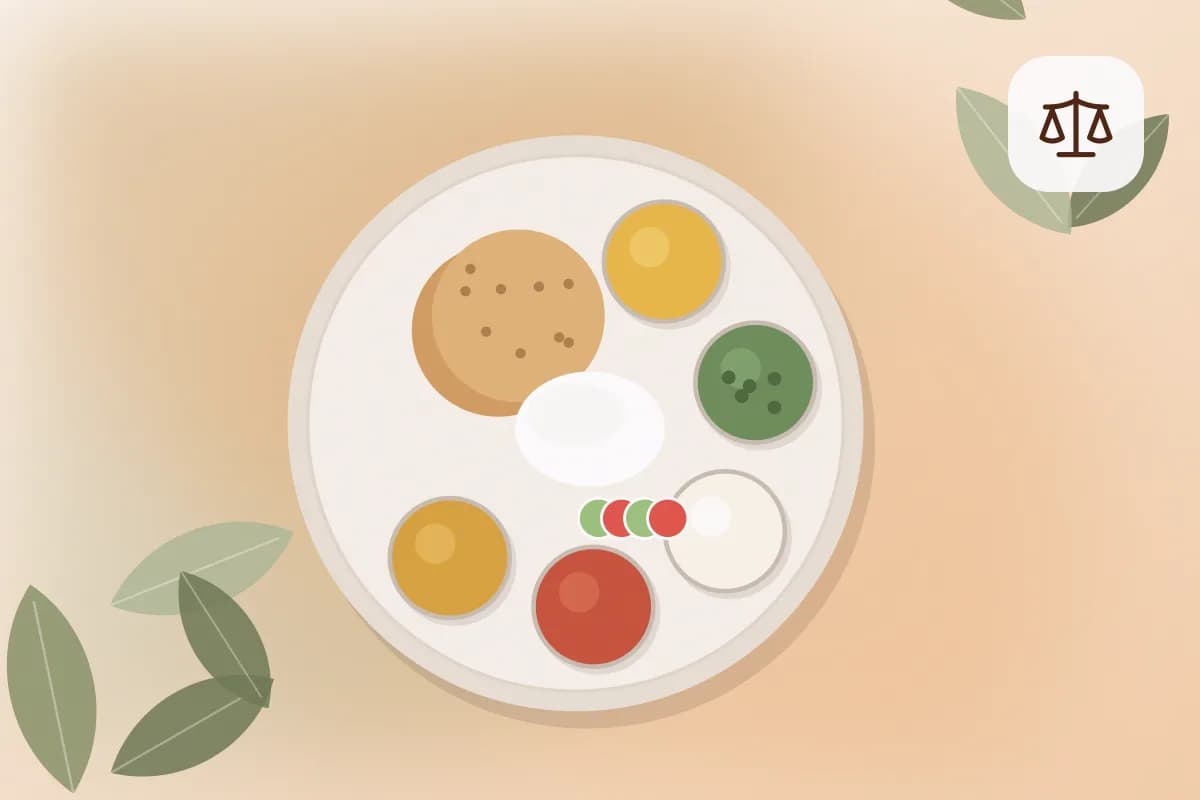
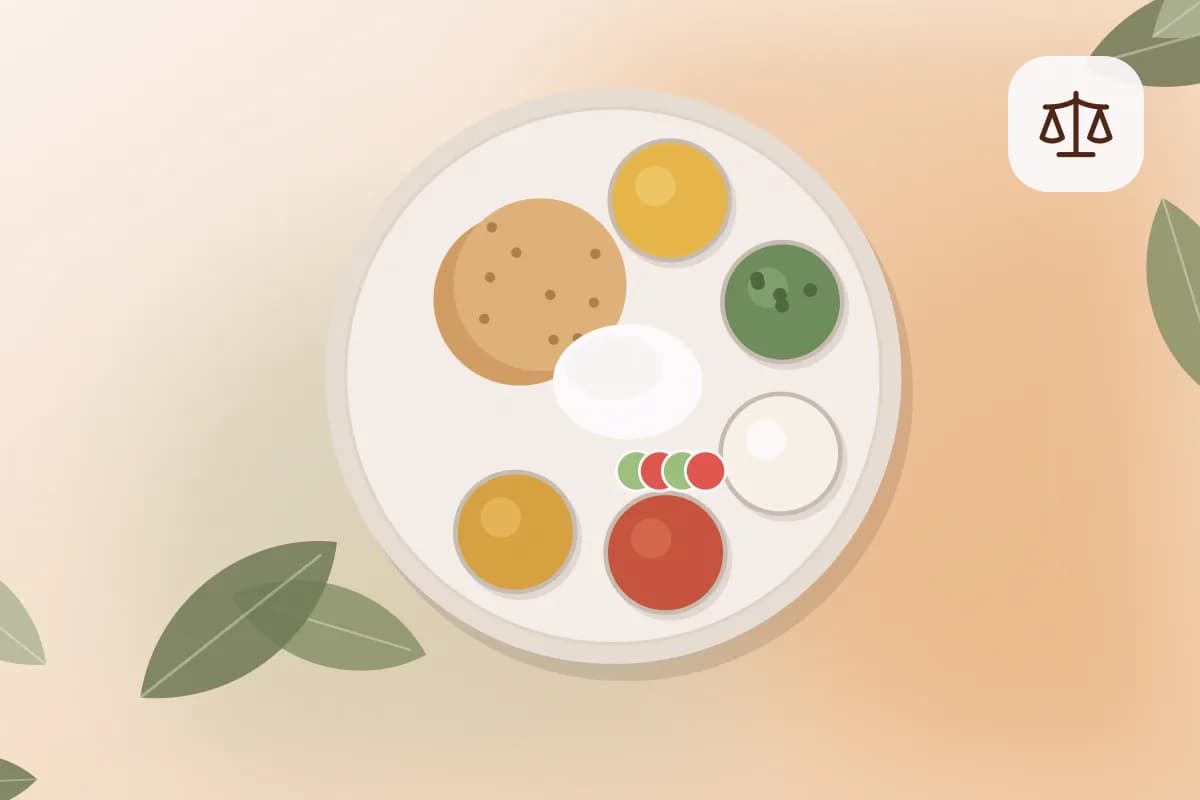
A balanced thali with half vegetables, a quarter whole grains and a quarter dal, paneer, eggs or other protein may help support fullness without strict dieting.
Watch hidden extras
Sugary tea, packaged snacks, fried namkeen and larger portions can add up without being noticed. A short food diary can reveal patterns.
Avoid crash diets
Very low-calorie diets are hard to sustain and can leave you tired and hungry. Gradual changes are more likely to last.
Move a little more each day
Regular walking, household activity, yoga or strength exercises can be part of a routine that supports weight and mood.
Prioritise sleep and stress care
Regular sleep times and simple ways to unwind may help support appetite control and energy.
Be mindful of salt if you notice puffiness
Pickles, papad and packaged foods are high in salt. Mention any swelling to your doctor. Discuss any supplements with your doctor.
Indian foods to include
- Moong dal chilla or besan chilla
- Vegetable dalia or oats upma
- Jowar, bajra or ragi rotis
- Dal, rajma or chole with plenty of sabzi
- Curd, buttermilk and paneer
- Eggs, fish or chicken if you eat them
- Sprouts chaat
- Roasted chana or makhana
- Whole fruits such as guava, apple and papaya
Key takeaways
- Unexplained weight gain can be linked to thyroid problems, PCOS, medicines, sleep, stress or life stages.
- Sudden gain with swelling or breathlessness needs prompt medical care.
- Never stop a medicine on your own; discuss weight concerns with your doctor.
- Balanced Indian meals, regular activity and good sleep may help support a healthy weight.
Unexplained weight gain: frequently asked questions
Weight gain without eating more can be caused by an underactive thyroid, PCOS, certain medicines, poor sleep, stress or menopause. Being less active, or small increases in snacks and sugary drinks, can also add up unnoticed. Fluid retention is another possibility. If the gain continues, see a doctor to check for an underlying cause.
Yes, an underactive thyroid (hypothyroidism) can cause weight gain, usually modest, along with tiredness, feeling cold, dry skin and constipation. A simple blood test can check your thyroid function. If you have these symptoms, speak to your doctor, who can confirm the diagnosis and advise on treatment.
Yes, ongoing stress and poor sleep can contribute to weight gain. They can increase hunger and cravings, especially for sugary or high-fat foods, and make it harder to stay active. Improving sleep routines and finding ways to manage stress may help support appetite and energy alongside balanced eating.
Some medicines can cause weight gain in some people, including steroids, certain antidepressants, some diabetes medicines and some medicines for seizures or mental health conditions. Not everyone taking them gains weight. Never stop or change a medicine on your own; ask your doctor whether it could be a factor and what your options are.
Weight gain may be serious if it happens suddenly over a few days, comes with swelling in the legs or tummy, or occurs with breathlessness or chest pain, which can signal fluid build-up. Seek urgent care for these. Also see a doctor if weight gain comes with extreme tiredness, a round face, purple stretch marks or changes in your periods.
Many women notice weight gain, especially around the waist, during perimenopause and menopause. Hormonal changes, loss of muscle with age, poorer sleep and lower activity may all play a part. Regular strength exercise, enough protein and balanced meals may help support a healthy weight during this stage.
Sources & references
- Weight gain - unintentional — MedlinePlus Medical Encyclopedia, U.S. National Library of Medicine
- Factors affecting weight and health — National Institute of Diabetes and Digestive and Kidney Diseases (NIDDK)
- Underactive thyroid (hypothyroidism) — NHS
- Polycystic ovary syndrome (PCOS) — NHS
- Obesity and overweight — World Health Organization